Cycling Routes in the Yorkshire Wolds
Quiet lanes, rolling chalk hills, and traffic-free trails through one of England's least-visited cycling landscapes.. Learn more about Index.
The Yorkshire Wolds are a hidden gem for cycling. The roads are quiet, the scenery is open and beautiful, and the hills are testing without being brutal. Whether you ride a road bike, a gravel bike, or prefer traffic-free paths, there are routes here that will keep you occupied for a week. The cottage sits right in the heart of the Wolds, so you can ride straight from the door without needing to load bikes onto a car.
Key Takeaways
- The Wolds offer quiet lanes with light traffic, ideal for road cycling
- The Hudson Way provides 11 miles of flat, traffic-free riding between Beverley and Market Weighton
- Gravel tracks and bridleways cross the high Wolds for off-road riding
- The Tour de Yorkshire brought national attention to these routes
- Rolling terrain with moderate climbs suits riders of most abilities
Road Cycling: The Wolds Villages Circuit
The best road riding in the Wolds links the small villages that sit in the dry valleys and on the hilltops. A good circuit from the cottage heads north through Fridaythorpe, drops into Thixendale (one of the most remote villages in East Yorkshire), climbs out past Wharram Percy deserted medieval village, and loops back via Sledmere and the B1248. This route is roughly 30 miles, with several climbs of 5-8% gradient, and takes in some of the finest Wolds scenery.
A shorter option follows the lanes south to Huggate, across to Millington, down the Millington Pasture valley, and back up through Bishop Wilton. This is about 20 miles and includes the descent into Millington Dale, which is steep enough to make the climb back interesting. The village of Huggate sits at one of the highest points on the Wolds and has a pub, the Wolds Inn, for a mid-ride stop.
Traffic on most Wolds lanes is genuinely light. You might see a tractor, a few local cars, and the occasional delivery van, but long stretches pass without meeting anything at all. The road surfaces vary from smooth and well-maintained to rough and patched, so keep an eye on the tarmac, especially after winter.
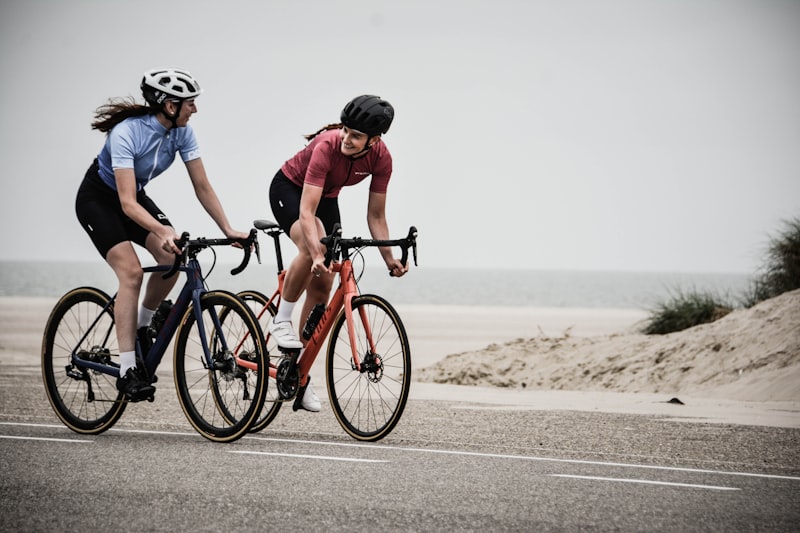
The Hudson Way
The Hudson Way follows the route of the old Market Weighton to Beverley railway, closed in 1965. It runs for 11 miles on a flat, surfaced path through the southern edge of the Wolds. The riding is easy and traffic-free, making it ideal for families, casual riders, or anyone who wants a gentle day out.
The path passes through farmland and small cuttings, with views across the Wolds to the north and the Vale of York to the west. There are access points at several villages along the way, so you can ride as much or as little as you like. Beverley and Market Weighton both have cafes and pubs at either end. The surface is compacted stone for most of its length, suitable for any bike with tyres wider than 25mm.
Gravel and Off-Road Riding
The Wolds are excellent gravel riding territory. A network of farm tracks, bridleways, and byways crosses the high ground, linking the valleys and villages. Many of these tracks are chalk-based and drain well, making them rideable for much of the year. After prolonged rain, some lower sections can get muddy, but the hilltop tracks usually stay firm.
A good gravel route from the cottage follows the bridleway north along the ridge towards Huggate, drops down to Thixendale on farm tracks, and returns on a mix of lanes and byways. This gives about 25 miles of mixed riding with some proper off-road sections. Wider tyres (35mm or above) and some low gears will make life easier. The Yorkshire Wolds visitor guide covers more about the landscape you'll be riding through.
Tour de Yorkshire Legacy
The Tour de Yorkshire race used several Wolds roads during its years of operation, and the legacy lives on in well-signed routes and an increased awareness of the area among cyclists. The steep climb out of Thixendale featured in multiple editions, and you'll occasionally see riders making a pilgrimage to tackle it. The race brought investment in road surfaces and signage that benefits everyday riders.
Several of the race stages are published as downloadable routes, and local cycling clubs in Driffield, Beverley, and Pocklington organise group rides that follow parts of the old course. If you're visiting and want company, these clubs are generally welcoming to visitors.
Practical Information
Bike hire is available in Beverley, Pocklington, and Driffield. Some operators offer delivery to your accommodation. If you're bringing your own bike, the cottage has secure storage and a basic tool kit. There's a good bike shop in Beverley for spares and repairs.
The Wolds are exposed, so wind can be a factor. Check the forecast before heading out and plan your route so you have the wind behind you on the way home if possible. Carry enough food and water for the ride since shops and cafes are scarce on the high Wolds. Huggate, Thixendale, and Sledmere all have pubs or cafes, but opening hours can be limited, especially midweek. The walking guide covers similar terrain if you fancy a day off the bike.
Frequently Asked Questions
Is the Yorkshire Wolds good for cycling?
Very good. The Wolds offer quiet lanes, varied terrain, and beautiful scenery. The hills are moderate compared to the Dales or North York Moors, making the area suitable for riders of mixed ability. Traffic is light on most Wolds roads.
Where can I hire a bike near the Yorkshire Wolds?
Bike hire is available in Beverley, Pocklington, and Driffield. Some operators will deliver bikes to your accommodation. Check locally for current availability, as options can change between seasons.
Is the Hudson Way suitable for children?
Yes. The Hudson Way is flat, traffic-free, and surfaced for most of its length. It runs for 11 miles between Beverley and Market Weighton along a disused railway line. It is ideal for families and less experienced riders.
How hilly is cycling in the Yorkshire Wolds?
The Wolds have rolling terrain rather than steep climbs. Typical gradients are 5-8%, with a few shorter steeper sections on the deeper valleys. The highest point is around 250 metres. Most reasonably fit cyclists will manage the hills comfortably.